How to Treat Damaged Hair

There comes a point for most of us when the only answer to damaged hair seems to be a drastic cut. Regular trims every twelve weeks or so keep ends looking fresh, but split ends, breakage and dryness are usually a sign worth addressing before you reach for the scissors.
It's easy to assume that damage only comes from straighteners and hair dye. That isn't the full picture. Everyday habits as simple as using the wrong brush, over-washing or towel-drying too roughly can all take a toll. Here's what causes dry and damaged hair, how to spot it early, and how to build it back with our Regenerating collection.
What Causes Damaged Hair
Heat styling. Straighteners, curling irons and hairdryers used above 200°C can break down the hair's internal bonds, sometimes permanently. Chemical treatments. Colouring, bleaching and highlighting alter the hair's structure and can leave it more porous and fragile. Mechanical stress. Aggressive brushing, tight hair ties and rough towel-drying all add up to breakage over time. Environmental factors. Sun, chlorine and pollution build-up weaken the hair fiber and dull colour. Over-washing or under-washing. Stripping away natural oils, or letting product and impurities build up, both affect hair health long-term.
Identifying which of these applies to you is the first step, since dry, heat-damaged hair calls for a different fix than hair that's simply weakened from over-processing.
How to Know if Your Hair is Damaged
Elasticity
Gently stretch a wet strand. If it snaps or barely gives at all, that's a sign of damage. Healthy hair has some bounce to it.
Texture
Hair should feel smooth, not brittle. A rough, straw-like feel usually points to dehydration.
Ends
A few split ends here and there is normal. If it feels like every other strand is affected, it's time for a proper repair routine.
The Regenerating Collection
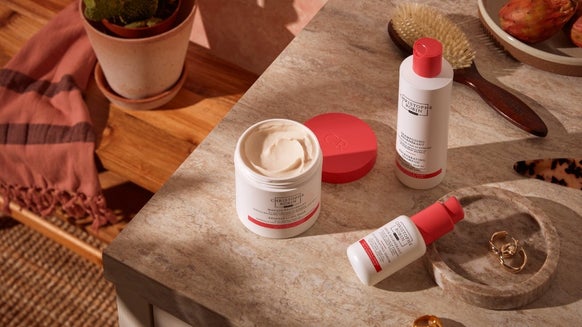
Dry, stressed or over-processed hair responds best to a routine rather than a single product. Our Regenerating regimen is built around prickly pear seed oil is naturally rich in essential fatty acids, with a higher linoleic acid content than argan oil.
Regenerating Shampoo

£33.00
A gel-textured formula that cleanses gently while nourishing the hair fiber.
Regenerating Mask

£52.00
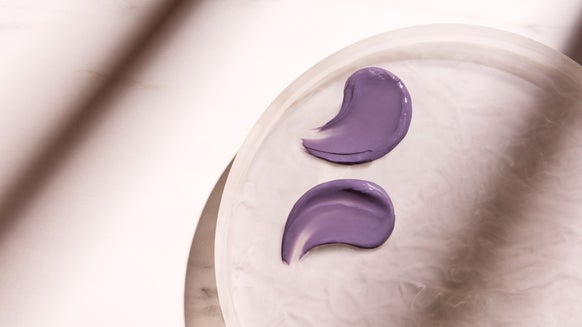
A cult formula, 97% natural-origin, that deeply nourishes and smooths the look of split ends.
Regenerating Serum

£40.00
A lightweight, silicone-free finishing step that adds shine and protects hair from heat, more on that below.
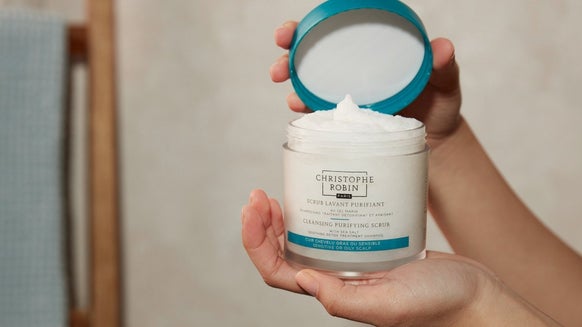
Alongside these three, a scalp reset is worth adding once a week: Cleansing Purifying Scrub with Sea Salt. Its sea salt crystals exfoliate the scalp and clear daily build-up, giving the Regenerating routine a cleaner base to work from (read more on why sea salt works so well for hair). Use it once a week, or right after colouring.
How to Fix Hair Breakage
If shedding and breakage are the main concern, the focus shifts from moisture to strength. A few things help:
Be gentle when wet. Hair is at its most fragile straight out of the shower, so skip the rough towel-drying and detangle with a wide-tooth comb or soft, natural-bristle brush first. Try a fortifying routine.Fortifying Shampoo and Fortifying Conditioner with Amaranth Peptides are built for weakened, thinning hair. Amaranth Peptides help hair feel fuller, while Lupin Biomimetic Peptides, which mimic the effect of collagen, help reduce breakage and shedding. Treat the scalp directly.Fortifying Scalp Serum is clinically proven to boost the density of new strands by 15%*. It's lightweight, fast-absorbing, and applied daily straight to the scalp after shampoo and conditioner for anyone dealing with noticeable shedding or thinning. For more on building a full density-boosting routine, see how to get thicker hair. Don't skip conditioner. Without it, hair is more likely to snag and snap, especially on already-weakened lengths. Mind your hair ties. Tight, tugging accessories add extra mechanical stress on top of existing breakage, more on that in the section below.
*Based on a 12-week independent clinical study and self-assessment involving 60 participants experiencing hair shedding.

£31.00

£32.00

£47.00
How to Treat Heat-Damaged Hair
Heat is one of the most common causes of damage, whether from daily styling or long days in the sun. Tools used above 200°C can break down the hair's bonds to a point that's hard to reverse, which is often why a cut becomes the only fix.
The best defense is prevention: apply Regenerating Serum to damp or dry hair before styling. It's proven to protect against artificial heat up to 230°C (440°F) and can be reapplied through the day to control frizz without weighing hair down. For a step-by-step guide, see how to use heat protectant before your next blow-dry.
Air-drying might feel gentler, but it can actually be more damaging than blow-drying, since wet hair fibers swell and weaken the longer they stay saturated. If you do air-dry, apply a heat-protecting serum first and avoid leaving hair soaking wet for hours. With a hairdryer, keep it about five inches from your hair and point the nozzle down the shaft.
How Often Should You Wash Damaged Hair?
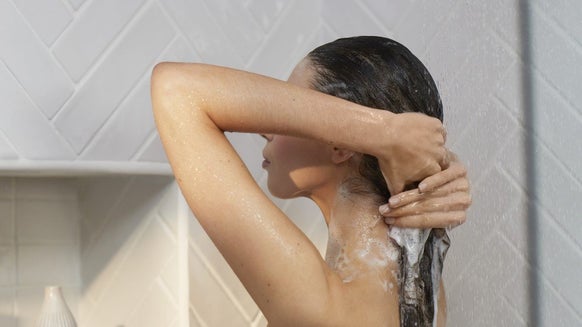
It depends on your hair type and lifestyle. Exercise and sweat mean more frequent washing, but the natural oils your scalp produces are important for hair health, so washing them away too often can leave a dry scalp and more damage over time. The simplest rule of thumb: don't shampoo to prevent grease, shampoo to solve it.
If color is also a concern alongside damage, Colour Shield Cleansing Mask with Camu-Camu Berries can be layered in once a week to help protect pigment while you repair.
How to Tie Up Hair Without Damaging It
A tight ponytail or bun is one of the most overlooked causes of damage. A few small changes help:
Dry before tying. Hair is weakest when wet, so wait until it's fully dry before pulling it back. Tame flyaways instead of tightening further. A soft brush and light hairspray will smooth shorter pieces without needing to scrape everything back. For more tips, see how to tame flyaways. Choose fabric over plastic. Silk or fabric-covered ties create far less snagging. Let your scalp rest. Take hair down at the end of the day so it can recover overnight.
A Simple Routine to Follow
Weekly:Cleansing Purifying Scrub with Sea Salt, once a week or right after coloring. Wash day:Regenerating Shampoo followed by Regenerating Mask, rinsed with cool water to help seal the cuticle and lock in shine. Daily:Regenerating Serum on damp or dry lengths before styling. If shedding or thinning is a concern:Fortifying Scalp Serum, applied daily to the scalp. Overnight:Night Recovery Cream, applied before bed on dry, brushed hair to fortify lengths while you sleep.
Choosing the Right Brush
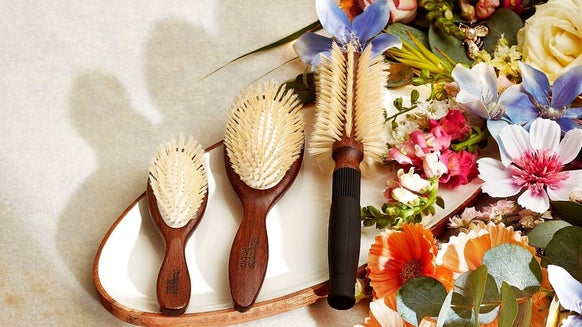
A brush that tugs at the scalp can undo a lot of this work. Boar-bristle brushes, like our Detangling Hairbrush, have a structure similar to hair itself and contain the same keratin compound. That means gentler detangling, less static and frizz, and a more even spread of natural oils from root to tip.
The Takeaway
Damaged hair rarely has a single cause, so treating it usually means adjusting a few habits at once: how you wash, dry and style your hair. Start with the Regenerating collection, add in fortifying or color care where needed, and explore the rest of our dry and damaged hair products for anything your routine is still missing.

Josie is an Online Beauty Editor with a Bachelor of Arts degree in Journalism. Her passions involve all things skincare and beauty and in her free time she likes to travel, read and get her beauty sleep.